Custom A/C Installation
There are no one-size-fits-all cooling models, and yet, every part of the system should fit unobtrusively into your home’s design and perfectly meet your requirements. A trained, certified and insured HVAC professional should perform all work. At Stegall our technicians have the knowledge and in-field experience to complete safe, precise, and competent installations. After your new system is in place, our qualified specialists will test equipment to ensure every facet is operating perfectly. Your Stegall technician will also explain proper use and management of your new cooling system to guarantee the highest level of comfort, performance and efficiency.
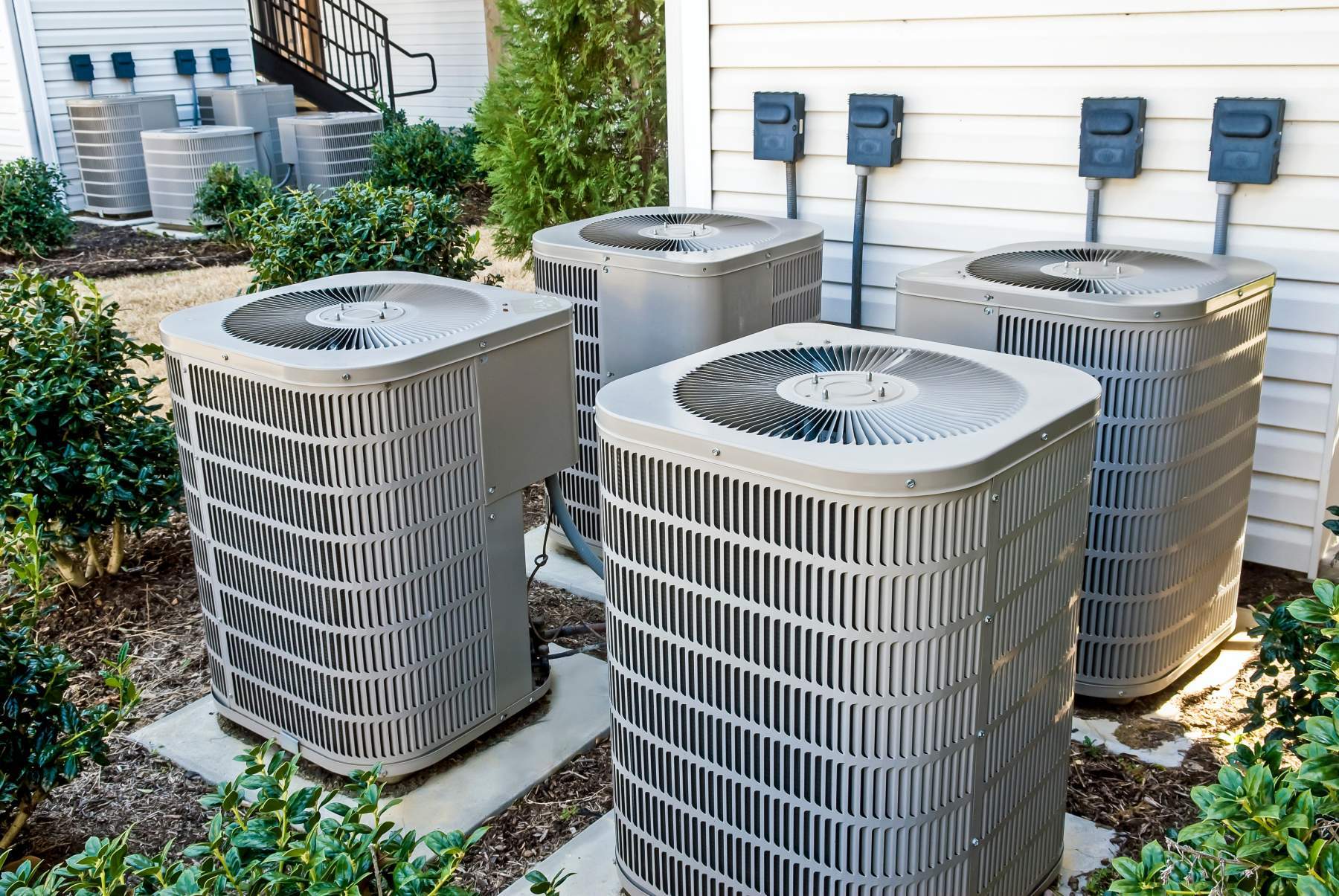
The temperature outside can climb well past ninety degrees during an Alabama summer, and when that heat pushes through the walls of a home or business, a properly installed air conditioning system becomes the difference between comfort and misery. The quality of an installation determines how well that system performs for the next decade or more. A unit that is sized incorrectly, connected poorly, or matched to the wrong ductwork will struggle from the first day, no matter how efficient the equipment claims to be. At Stegall, we treat air conditioning installation as a technical discipline that starts long before the new unit arrives on site.
Why Correct Installation Shapes Long-Term Performance
An air conditioner is only as good as the work behind it. Two identical systems installed in two identical buildings can produce very different results if the setup differs. Refrigerant charge levels, airflow balance, electrical connections, and condensate drainage all influence how the equipment behaves over years of daily use. When any of these factors is off, the system runs longer, uses more energy, and wears out faster than it should.
We provide commercial, industrial, and residential HVAC support, so we see the full range of consequences that come from rushed or careless work. A poorly installed compressor may cycle on and off repeatedly, a condition that shortens its life and drives up power bills. Undersized ductwork restricts airflow and forces the blower motor to strain. Our approach is built to prevent these problems before they start, because correcting a bad installation almost always costs more than doing it right the first time.
How We Size and Select a System
Choosing the right equipment begins with measurement, not guesswork. A common mistake in the industry is picking a unit based on square footage alone. Real sizing accounts for many more variables, and skipping this step leads to units that either short-cycle or run without ever reaching the set temperature. We perform a load calculation that considers the specific conditions of each property.
- Building envelope: The amount of insulation, the type of windows, and the tightness of the structure all affect how quickly a space gains heat.
- Square footage and ceiling height: Larger volumes of air require more cooling capacity, and tall ceilings change the math considerably.
- Sun exposure and orientation: Rooms that face direct afternoon sun place a heavier demand on the system than shaded areas.
- Occupancy and equipment: People, appliances, and machinery all generate heat that the air conditioner must remove.
- Ductwork condition: Existing duct capacity influences which equipment will pair well with the space.
Once these numbers are clear, we recommend equipment rated to match the calculated load. Central systems, ductless mini-splits, and packaged units each fit different situations. A tightly built home may benefit from a variable-speed system that adjusts output to demand, while a large commercial floor may call for multiple zones served by rooftop units. We explain the tradeoffs so property owners understand what they are getting.
The Installation Process on Site
When installation day arrives, our crews follow a sequence designed to protect both the equipment and the building. We begin by removing the old system, if one exists, and inspecting the space where the new components will sit. The condenser pad, the indoor air handler location, and the refrigerant line set all receive attention before anything is mounted. A level, stable base for the outdoor unit prevents vibration and premature wear.
Connecting the refrigerant lines demands precision. We evacuate the lines with a vacuum pump to remove moisture and non-condensable gases, because even a small amount of trapped water can damage internal components over time. After the vacuum holds, we charge the system to the manufacturer’s specification and verify the reading rather than relying on estimates. Electrical connections are made to code, with the correct wire gauge, breaker sizing, and disconnect placement. The condensate drain is routed and sloped so water leaves the system cleanly instead of backing up into the pan.
Testing and Commissioning Before We Leave
An installation is not finished when the unit turns on. We run the complete system through a commissioning check to confirm every function performs as intended. This step catches small issues that would otherwise surface as callbacks weeks later. We measure the temperature difference between the supply and return air, confirm airflow across the coil, and check that the thermostat controls the equipment accurately. Static pressure readings tell us whether the ductwork moves air the way it should.
We also verify safety controls, including high-pressure and low-pressure cutoffs and the float switch on the condensate line. When these components work correctly, the system protects itself from conditions that could cause damage. Before we consider the job complete, we walk the property owner through the new equipment, explain the thermostat settings, and describe the maintenance that keeps the system running efficiently.
Serving Homes, Businesses, and Industrial Sites
The needs of a family home differ sharply from those of a warehouse or a medical office, and our work reflects that range. In residential settings, we focus on quiet operation, even temperatures from room to room, and energy costs that stay reasonable through the cooling season. For commercial clients, we account for foot traffic, equipment heat loads, and the need to keep customers and staff comfortable during business hours. Industrial installations often involve larger tonnage, specialized ventilation requirements, and coordination with existing mechanical systems.
Because cooling problems do not follow a schedule, we offer support 24 hours a day, 7 days a week. A new installation should reduce the chance of emergencies, but when a question or concern arises at an inconvenient hour, help is available. We serve Birmingham and the surrounding communities of Birmingham, Mountain Brook, Vestavia, Hoover, Helena, McCalla, and Homewood, AL, bringing the same standard of work to each project regardless of size.
Beyond air conditioning, Stegall handles heating service, plumbing, electrical work, and AC repair, which means one team can address the connected systems that make a property function. A cooling installation often touches electrical panels and drainage, and having tradespeople who understand all of these areas keeps the project moving smoothly. When you plan a new air conditioning installation, we bring the measurement, the equipment knowledge, and the careful workmanship that a lasting system requires.